
Stock Air Filter vs Air Intake
In the professional automotive aftermarket, the transition from a factory induction setup to a high-performance system is a fundamental engineering upgrade. The stock air fIn the professional automotive aftermarket, the transition from a factory induction setup to a high-performance system is a fundamental engineering upgrade. The stock air filter vs air intake discussion is a critical focal point for tuning shop owners and parts distributors who must justify performance investments to their clients.
Understanding the technical limitations of OEM components is essential for any business specialized in vehicle optimization and high-margin performance distribution.
1. Surface Area and Fluid Dynamics
The primary physical difference in the stock air filter vs air intake comparison begins with the filtration media surface area. A factory air filter is typically a flat panel or cylindrical paper element constrained by the dimensions of a plastic airbox. This design often results in a higher face velocity of air passing through a smaller area, increasing the pressure drop across the media as RPMs rise.
In contrast, a performance air intake system utilizes a large-diameter conical filter. According to the principles of Fluid Dynamics, increasing the surface area allows a higher volume of air to be processed at a lower velocity. This reduction in resistance ensures the engine does not overcome a vacuum effect to draw in necessary oxygen, particularly under high-load conditions.
2. Internal Piping and Laminar Flow
A common misconception in the stock air filter vs air intake debate is that a high-flow filter alone solves induction bottlenecks. OEM intake hoses are frequently manufactured from corrugated plastic to accommodate engine movement, which creates internal air turbulence.
A professional intake system replaces these with smooth-bore, mandrel-bent aluminum piping. This structural change ensures the air column moves in a laminar fashion rather than a turbulent one. By eliminating the “drag” caused by factory ribbed hoses, the stock air filter vs air intake comparison favors the complete system for providing a cohesive air mass to the throttle body.
3. Thermodynamics and Air Density
Thermodynamic management is a decisive factor in the stock air filter vs air intake evaluation. Factory airboxes are generally located within the engine bay and are susceptible to “heat soak.” Because they are made of thin-walled plastic, they absorb radiant engine heat, which is then transferred to the incoming air.
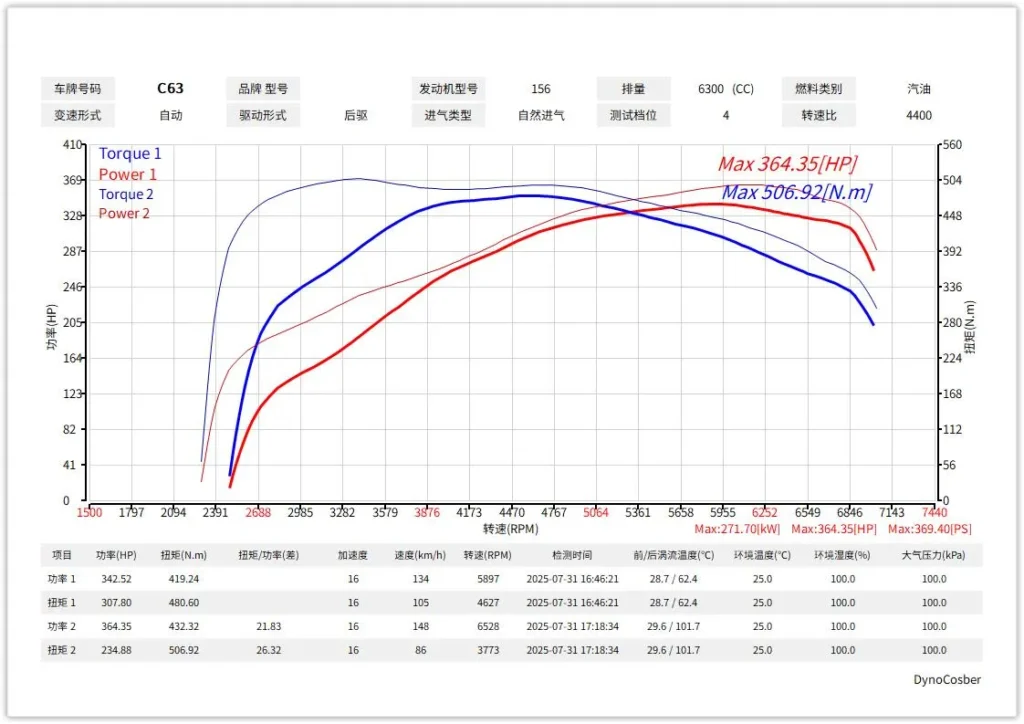
Based on the Ideal Gas Law, cooler air is denser and contains more oxygen per unit of volume. A professional air intake system is designed to isolate the filter from engine heat through relocation or thermal shielding. This ensures a higher oxygen density, allowing the ECU to maintain aggressive ignition timing, preventing power retardation often seen when a stock air filter vs air intake decision is neglected.
4. Signal Integrity for MAF Sensors
Modern engines rely on the accuracy of the Mass Air Flow (MAF) sensor to determine fuel trims. When evaluating stock air filter vs air intake, sensor environment is critical. A high-flow stock air filter can occasionally create erratic airflow patterns within the factory housing, leading to “dirty” signals that trigger Check Engine Lights (CEL).
A complete air intake system is engineered as a calibrated unit. The placement of the MAF sensor bung is precisely calculated and CNC-machined to ensure stable air passage. This precision is vital for B2B distributors requiring a “plug-and-play” solution that avoids post-sale technical support and returns.
5. Volumetric Efficiency and Business Logic
From a strategic perspective, the stock air filter vs air intake transition is about maximizing Volumetric Efficiency (VE). A more efficient induction system directly correlates to a more efficient engine.
For the professional shop owner, the logic for promoting a full intake system over a simple stock air filter is clear:
- Performance: The full system provides a transformative driving experience and improved aesthetics.
- Profitability: Installation of a complete system represents a higher average transaction value and labor opportunity for the facility.
Conclusion
While a replacement filter is a functional minor improvement, it cannot overcome the thermodynamic and aerodynamic bottlenecks of a factory induction tract. In the professional evaluation of stock air filter vs air intake, the dedicated performance system remains the only viable choice for serious builds.
For more strategic resources, return to our B2B Strategic Hub.